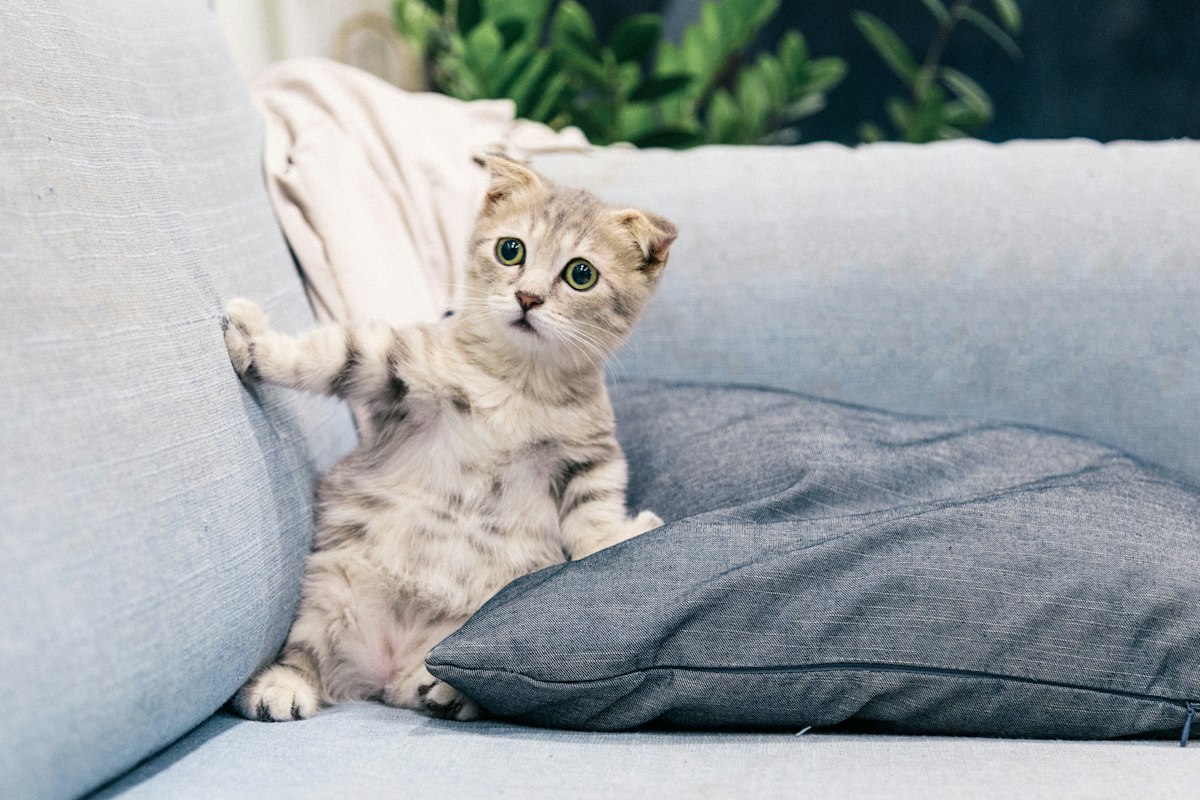
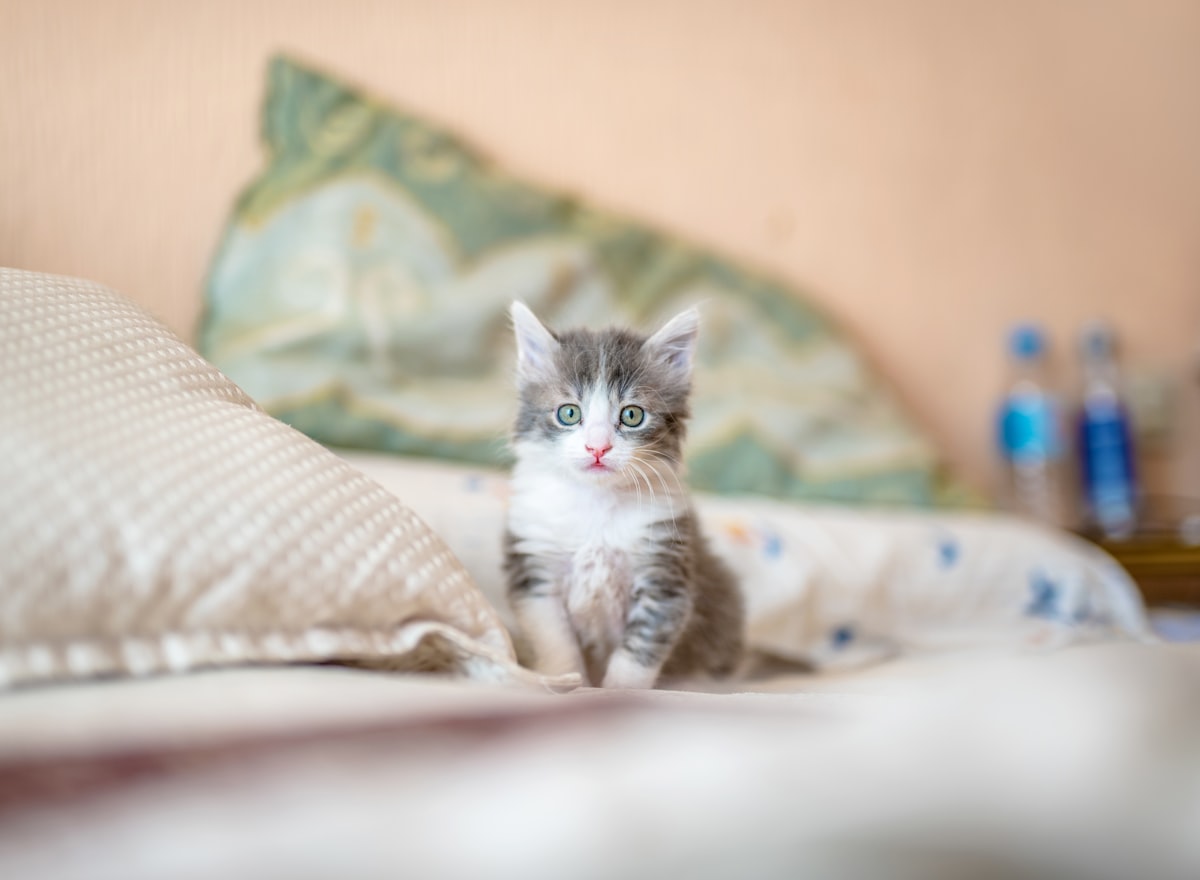
To identify a kitten's breed, observe key traits like coat pattern, eye color, ear shape, and body structure, then compare them with known breeds or use an AI Cat Breed Scanner. Because kittens are still developing, their features may not fully represent adult breed traits.
Tools powered by artificial intelligence, computer vision, and machine learning can analyze kitten photos and match them with breeds such as the Maine Coon, Siamese cat, or Persian cat, but results are usually estimates rather than exact matches.
Identifying a kitten's breed is more complex than identifying an adult cat because kittens are still growing and their physical characteristics are not fully developed.
Why Kitten Identification Is Challenging
Features change as kittens grow
Coat color and patterns may evolve
Body size and shape are not fully formed
Eye color often changes during early months
Most kittens are also mixed breed (domestic cats) rather than purebred, which makes identification based on appearance more difficult.
Purebred vs Mixed Breed Kittens
Type
Description
Example
Purebred Kitten
Comes from registered lineage
Persian cat
Mixed Breed Kitten
Combination of multiple breeds
Domestic kitten
Organizations like the Cat Fanciers' Association define breed standards, but most kittens do not meet strict pedigree criteria.
Key Features to Identify Kitten Breed
Even though kittens are still developing, certain visual traits can provide strong clues.
Coat Color and Pattern
Tabby (striped patterns)
Colorpoint (light body, dark ears/face/tail)
Solid or bicolor coats
Example: Colorpoint pattern → possible Siamese cat ancestry.
Example output: A kitten may show Ragdoll cat traits (soft coat, calm features) or Russian Blue traits (gray coat, sleek body). AI provides probable matches, not exact identification.
Step-by-Step Guide to Identify Kitten Breed
Step 1: Take a Clear Photo
Use natural lighting
Capture front face and full body
Avoid blurry images
Step 2: Upload to AI Cat Breed Scanner
Upload image to a reliable Cat Scanner tool
Allow AI analysis to run
Wait for results
Step 3: Review Breed Matches
Top predicted breeds
Confidence score percentage
Similar breed suggestions
Step 4: Compare with Breed Characteristics
Use cat breed charts
Visual comparison with known breeds
Read breed descriptions
Common Kitten Breed Clues (Quick Reference Table)
Feature
Possible Breed Influence
Blue eyes + colorpoint
Siamese cat
Long fluffy coat
Persian cat
Large ears
Savannah cat
Big paws
Maine Coon
Limitations of Identifying Kitten Breeds
It's important to understand the limitations:
Kittens change significantly with age
Mixed breed traits can overlap
Visual identification is not 100% accurate
For exact results, DNA testing services like Basepaws can analyze genetic ancestry.
Tips to Improve Accuracy
Take multiple photos (front, side, full body)
Wait until the kitten is older (8–12 weeks+)
Compare multiple features, not just one
Use AI tools along with manual observation
Benefits of Identifying Kitten Breed
Understand personality and behavior
Prepare for grooming needs
Anticipate health conditions
Improve diet and care planning
Frequently Asked Questions
Can you tell a kitten's breed by looking at it?
Yes, but only partially. Visual traits provide clues, but kittens may not show full breed characteristics until adulthood.
At what age can you identify a kitten's breed?
Around 8–12 weeks, some features become clearer, but full identification is easier when the cat matures.
Are most kittens purebred?
No. Most kittens are mixed breed cats without a registered pedigree.
Can AI identify kitten breeds accurately?
AI tools can estimate breed matches using image recognition, but results are based on probability rather than certainty.
Want to identify your own cat?
Upload a photo and get an instant AI breed report — free to try.